We Walk the Line: Turning loss into a lifeline
(Editor’s note: This story discusses suicide. If you or a loved one needs help, call or text the Suicide Prevention Hotline at 988.)
LANSING, Mich. (Aging Untold) — Members of the military and first responders run toward crisis and the repeated trauma can take a serious toll on mental health.
A growing number of veterans and first responders are dying by suicide, struggling with the invisible wounds of service.
The U.S. Department of Veterans Affairs estimates an average of 22 veterans take their own lives each day, and hundreds of first responders die by suicide annually.
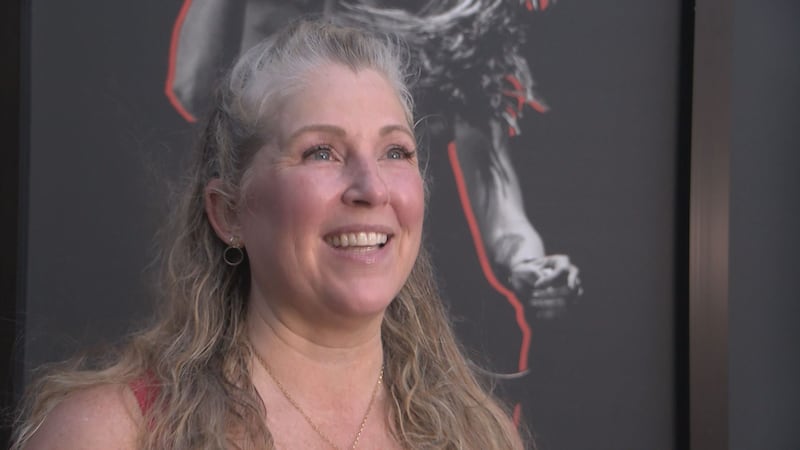
For Tonya and Scott Shea, the mission is personal. Their son, Army Specialist Connor Shea, was a quiet, old soul with a passion for fishing and Johnny Cash.
“His peaceful part of him was fishing. And he would just go on the lakes with his buddies or by himself, put in some headphones, listen to some Johnny Cash, cast some reels, and he was just simple,” Tonya Shea said.
Connor served two years at the National Training Center in the Mojave Desert.
The isolation, dangerous exercises and COVID-19 lockdowns took a toll. Shortly after spending the holidays with his family, he died by suicide at 21.
“I think everything was a fog from that point,” Scott said.
Months later, the family’s bulldog inspired them to create their nonprofit, We Walk the Line, raising funds for Blue Star Service Dogs.
“This big lug of a bulldog would just curl up next to you and put his head in your lap, and just look at you like you’re going to be OK. And I got you. And so we were like service dogs, like service dogs are expensive,” Tonya Shea said.
Blue Star, based in Michigan, provides service dogs to veterans and first responders with PTSD or traumatic brain injuries.
“A lot of our veterans and first responders are broken. We’re almost their last hope. They find us, they come in, they’ve tried the medicine, they’ve tried the therapy, nothing’s worked,” said Executive Director Trish Barnes.
“The dog will watch the person’s back, will block somebody if they’re in their personal space, pick up dropped items, make them feel like they have a purpose again. They’re able to go to their kids’ sports events, the grocery store by themselves,” she said.
Blue Star adopts shelter dogs and trains them in prisons before pairing them with veterans and first responders.
Marine veteran Laszlo Szalay said his service dog saved him after a head injury triggered a mental health crisis.
“Once I got my dog, then I had a reason to get up in the morning. I had to take care of him. And it gave me purpose,” he said.
“We teach our dogs deep pressure therapy, waking up from night terrors, find my medication, so many different obstacles,” said trainer Glenn Dennard, who served more than 17 years in prison for second-degree murder.
The Sheas have sponsored several service dogs through their nonprofit.
“I think it comes down to, if we can prevent another family from going through what we have gone through. I think he’d be proud of that, for sure,” Scott Shea said.
Copyright 2026 Gray Media. All rights reserved.