Officials working to expand foster care for children in America, here’s how
NASHVILLE, Tenn. (InvestigateTV) - Kids sleeping in shelters, bussed between hotels, and overnights in office buildings. That’s the reality for many foster children in America.
For every 100 children in foster care, federal data shows that only 57 licenses homes are available.
In an effort to close that gap, the federal government launched a campaign in November 2025 called “A Home for Every Child.”
“When we launched this, we offered states the choice: if they joined the Home for Every Child campaign, they would get administrative relief,” said Alex Adams, assistant secretary for the administration for children and families. “We would get them out of mountains of paperwork so that they could spend more time focused on things that actually improve child welfare outcomes. They would have more time working with kids, more time working with families.
Since then, the idea to reinvent systems that recruit and retain foster families has gained nationwide momentum.
Millions of dollars in cash rewards are available to the state, territory, or tribal agency with the greatest improvement of its ratio of children to foster homes.
All 50 states, along with Washington D.C. and Puerto Rico, have signed up for the challenge. It will run until September 2027.
One of the first states to jump in was Tennessee. In total, the state would need more than 3,000 foster families to meet the goal set forth by the federal government.
But state leaders say a new approach is already working to encourage families to say yes to fostering.
Finding families in Tennessee
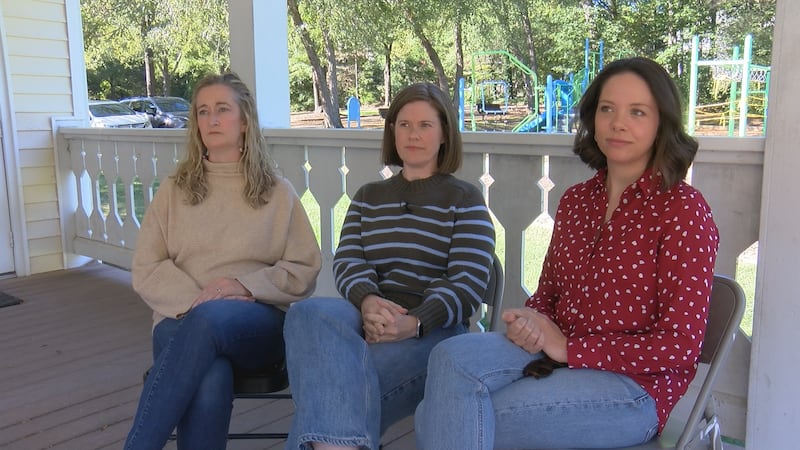
Kenni and Blake Cavalier are one family that opened up their home and their hearts, helping twin toddlers learn what it means to feel loved and feel safe.
“We have a home. We have stability and that right there is what these kids need,” said Blake. “So, I think that kind of flipped a switch where we’re like, we have to do it.”
After lots of prayer and conversation with other foster parents, the Cavaliers said they knew they had to step up and be part of the solution to Tennessee’s critical need for foster families.
“Something that I think really hit us was just like, we may have these excuses or these fears even, but that fear doesn’t compare to like the fear this child is probably in right now,” explained Kenni.
The state’s latest numbers show Tennessee needs an additional 3,081 foster families to meet the new federal initiative. The program seeks to establish a one-to-one ratio — one foster home for every child in foster care.
Lindsay Coleman, executive director of statewide specialized support services, said doing that “will be a challenge.”
“I think it’ll take some time. It’ll take some adjustments,” Coleman said. “But I think with the things we have in place, with continued prevention, with our new permanency team that’s looking at children trying to exit kids out of custody who don’t need to be in foster care any longer, and then with our recruitment and support efforts, I think we can get there.”
The state has developed a four-pronged plan to increase the number of foster care homes and support families:
- Prevention
- Keeping families together and providing support services so children don’t enter foster care
- Recruitment
- Using technology to determine where the biggest needs are for children, then heavily recruit in those areas
- Retention
- Supporting foster families with teams that provide hands-on community support
- Transition
- Support for youth aging out of foster care.
Coleman said the state’s plan is working, with this year’s recent quarter showing a 7% increase in foster families.
“What’s your talent? What’s your skill? What do you have to offer? What do you enjoy doing, hobbies, interests, and we can connect that to foster care,” said Tennessee Kids Belong Child Welfare Director Tiffany Kelly.
Kelly said the question for all Tennesseans right now is, “What’s your yes?”
She explained that not everyone can foster, but everyone can help, and everyone’s yes may look different — from mowing lawns to babysitting, helping with meals, laundry and more.
“All those yeses matter, and all those yeses mean that a family can really take the next step of pouring into the kids and take that time to build attachment and healing and carry the journey a little lighter,” said Kelly.
“Seeing them develop, start walking, start smiling, start talking, running around. And being able to look at them and be like, we’re giving them a safe place,” said Blake. “We’re seeing them have fun and be loved. And I think that’s really rewarding.”
Coleman said that “the community needs to know the need.”
“I think that there are lots of folks out there who are interested and willing to care for children. I just don’t think they understand or know what the need is,” said Coleman. “And so this story, hopefully, will help viewers know that we have this need for foster families and we would love for families to sign up. ...I’ve never met a foster parent who’s regretted their decision.”
Tennessee Kids Belong has a Foster-Friendly app that helps support foster families.
Businesses can sign up to give foster families discounts.
“It’s very easy for a business to sign up to be featured on the app. Our registration form takes less than five minutes for a business to sign up,” said Emily Barnes, Tennessee Kids Belong Foster Friendly Business Manager.
How to help
You don’t need to commit to being a foster parent to help children in need. State agencies and nonprofits often have volunteer opportunities available.
You can also advocate for foster children in the judicial system by becoming a court-appointed special advocate volunteer.
CASA volunteers are appointed by judges to act in the best interest of a child during the legal process of foster care.
Volunteers work with child welfare professionals, educators, and social service providers to ensure judges have all the information they need to make the most well-informed decision for each child.
Copyright 2026 Gray Media Group, Inc. All rights reserved.