What happens if police suspect you’re driving high in Virginia?
RICHMOND, Va. (WWBT) - As some celebrate 4/20, an unofficial holiday for using marijuana, Virginia officials are reminding everyone it’s illegal to drive under the influence of weed.
If Virginia State Police suspect a driver has been using marijuana, a routine process begins. Virginia State Police Sgt. Jessica Shehan said troopers first look for signs of impairment.
“Such as odor of marijuana, red glassy eyes, delayed responses, confusion,” Shehan said.
Drivers may be asked to get out and do field sobriety tests.
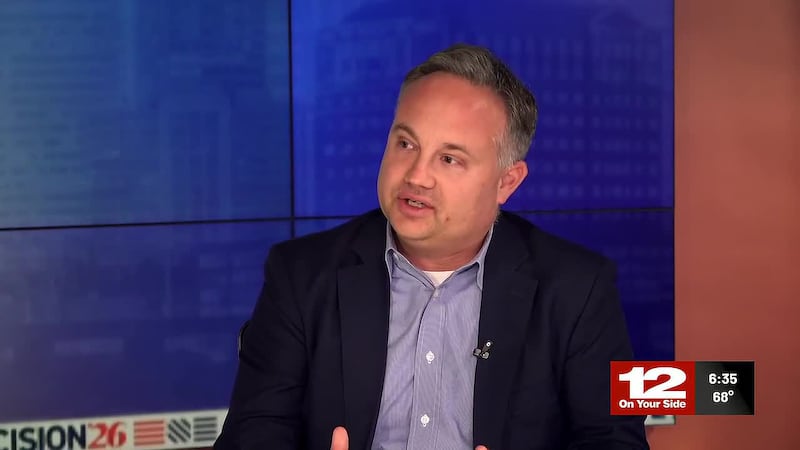
“What people should know is performing those tests are strictly voluntary,” legal analyst Steve Benjamin said.
However, if a driver is suspected of driving under the influence of marijuana and gets arrested, police can order a blood test, which is required by state law.
“After an arrest, the individual is transported to a medical facility, and it’s either a hospital or an approved site, and it’s going to be done by a licensed medical professional,” Shehan said.
Shehan said blood tests are used to determine when marijuana was used based on how much THC is in your system when the blood is drawn.
Unlike driving drunk, there is no specific amount of THC that needs to be in a driver’s system to be charged with driving under the influence of marijuana in Virginia.
“Impairment from marijuana is really an individualized thing; it depends on a person’s historical use, their tolerance, and a preset figure could miss people who are impaired or catch people who are not impaired,” Benjamin said.
Benjamin said in court that an expert chemist will testify to THC being in a driver’s system.
“Generally to the affects of THC to your coordination, your balance time, your ability to focus, and then the prosecution of the case depends upon witness or officer testimony,” Benjamin said.
If found guilty of driving high, consequences include fines, loss of a driver’s license, and possibly jail time.
“At the end of the day, we do take these cases very, very seriously,” Shehan said.
Copyright 2026 WWBT. All rights reserved.